Emergency services available For urgent help call +91 91686 66112 Dialysis services available

  1. Home
  2. Kidney care

Kidney care

The kidney conditions Dr. Borle evaluates and treats, with a plain-language overview of each. This is general information and not a substitute for a consultation.

Conditions Dr. Borle treats

  • Kidney transplant
  • Acute and chronic kidney disease
  • Critical care nephrology
  • Haemodialysis and peritoneal dialysis
  • Diabetic kidney disease
  • Hypertension
  • Kidney stones
  • Urinary tract infection
  • Kidney biopsy
  • Urological interventions
  • Nephrological and endovascular interventions
Illustration: Chronic kidney disease

Chronic kidney disease

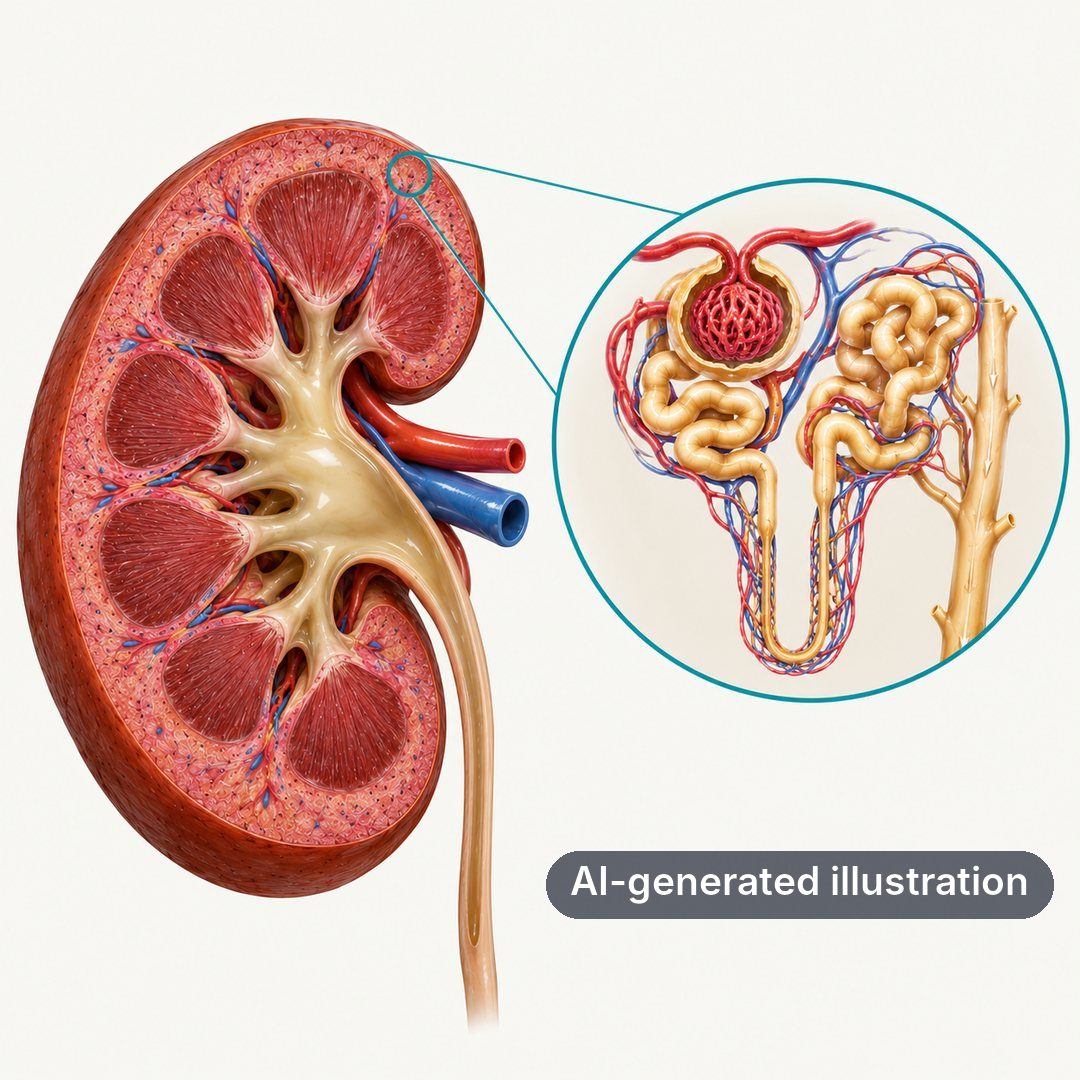
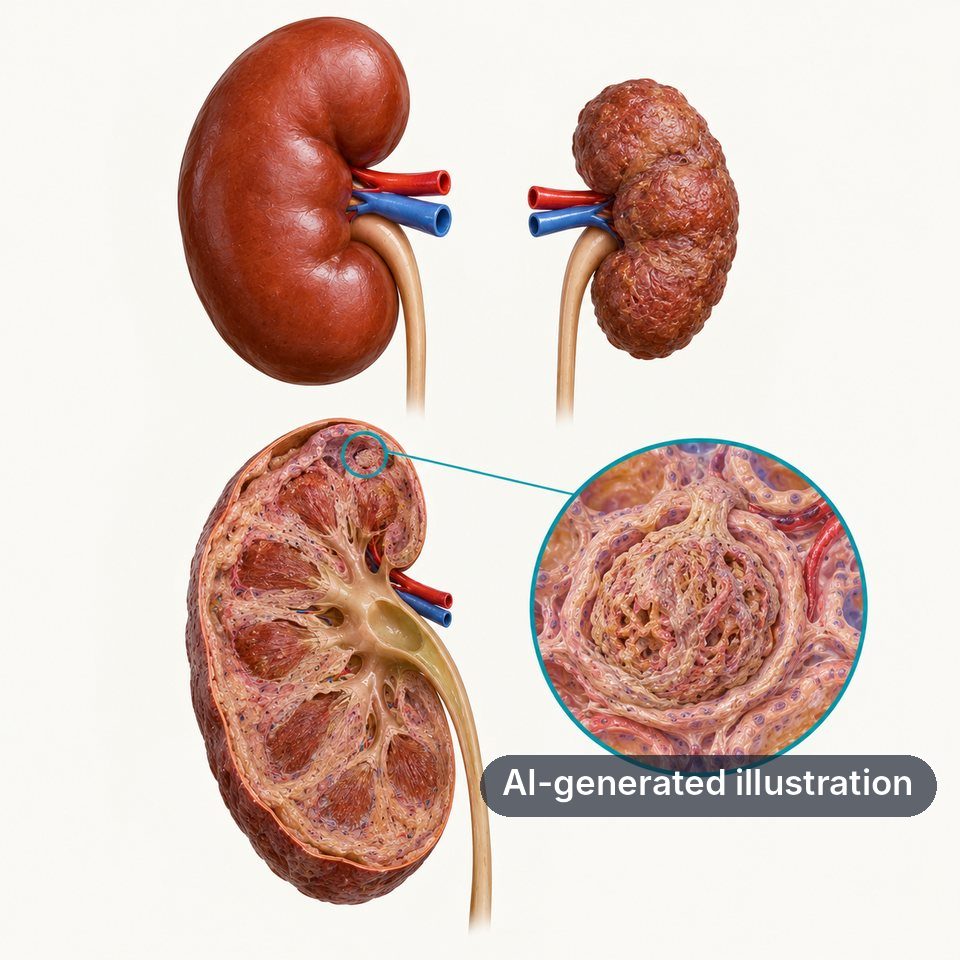
Chronic kidney disease (CKD) is a gradual loss of kidney function over months or years. It is most often linked to diabetes and high blood pressure, and usually causes few symptoms in its early stages, so it is commonly picked up on routine blood and urine tests.

Care focuses on finding the cause, staging the disease, slowing its progression and managing complications such as anaemia, fluid retention and bone and mineral changes.

At the hospital: Regular review with blood and urine monitoring, and planning ahead for dialysis or transplant if they may be needed.
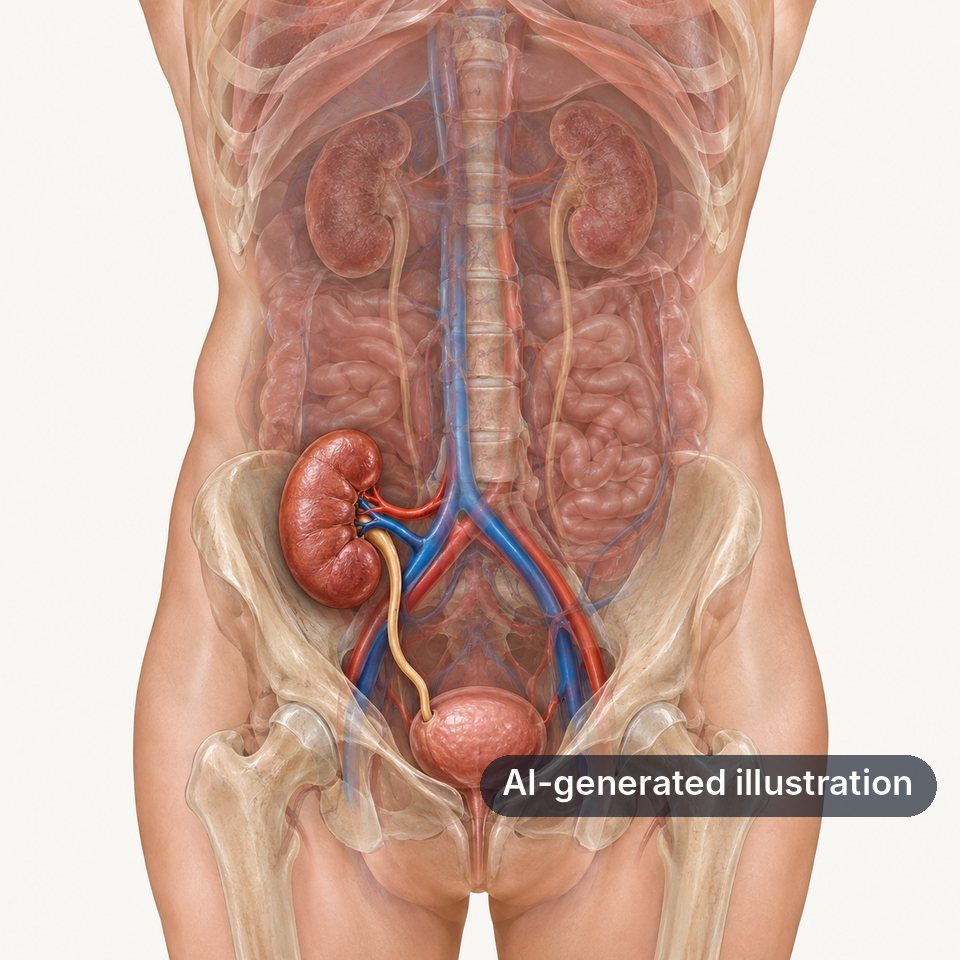
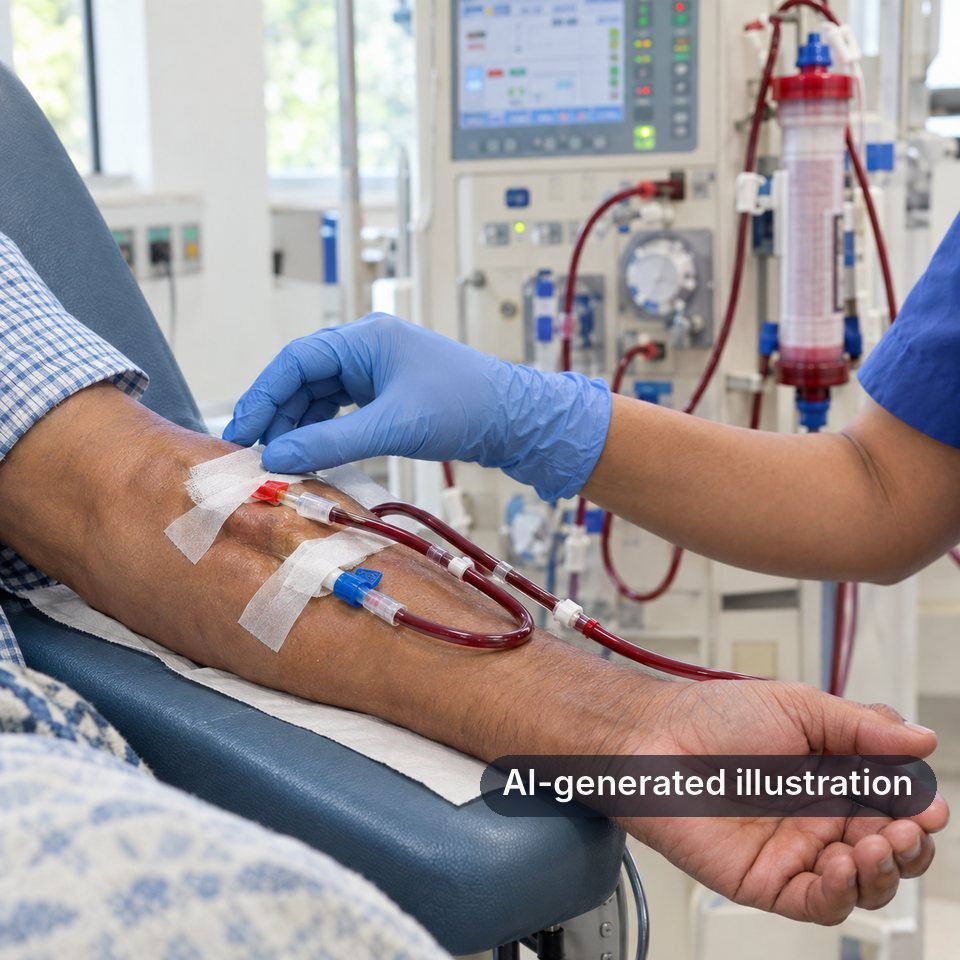
Illustration: Kidney transplant

Kidney transplant

For many people with kidney failure, a kidney transplant offers a better quality of life than long-term dialysis. Getting there involves careful evaluation of both the person receiving the kidney and the donor.

After transplant, lifelong follow-up is needed to monitor kidney function and adjust anti-rejection medicines, and to watch for infection and other side effects.

At the hospital: Pre-transplant evaluation of recipient and donor, and long-term post-transplant follow-up with Dr. Borle as transplant physician.

Illustration: Haemodialysis

Haemodialysis

Haemodialysis cleans the blood using a machine and filter when the kidneys can no longer do this adequately. It may be needed suddenly, during acute kidney injury, or on a regular schedule for kidney failure.

Maintenance haemodialysis is usually done several times a week, with regular review of blood tests, fluid balance and dialysis access.

At the hospital: An in-house dialysis unit for acute (emergency) and maintenance dialysis, supported by the hospital ICU.

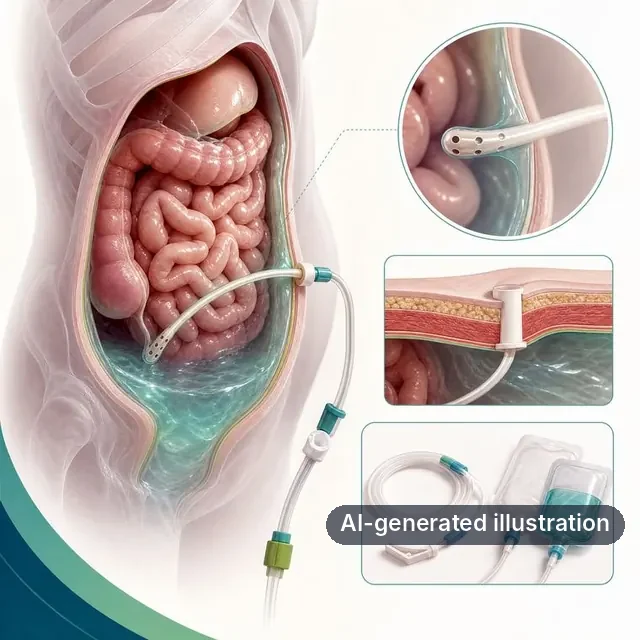
Illustration: Peritoneal dialysis

Peritoneal dialysis

Peritoneal dialysis (PD) uses the lining of the abdomen as a natural filter. Because it can be done at home, it lets many patients avoid frequent hospital visits and keep more of their daily routine.

Patients and family members are trained to perform the exchanges safely, and are reviewed regularly to check how well the dialysis is working.

At the hospital: PD assessment, training and supervision. Dr. Borle holds Peritoneal Dialysis Certification from the Peritoneal Dialysis Society of India.

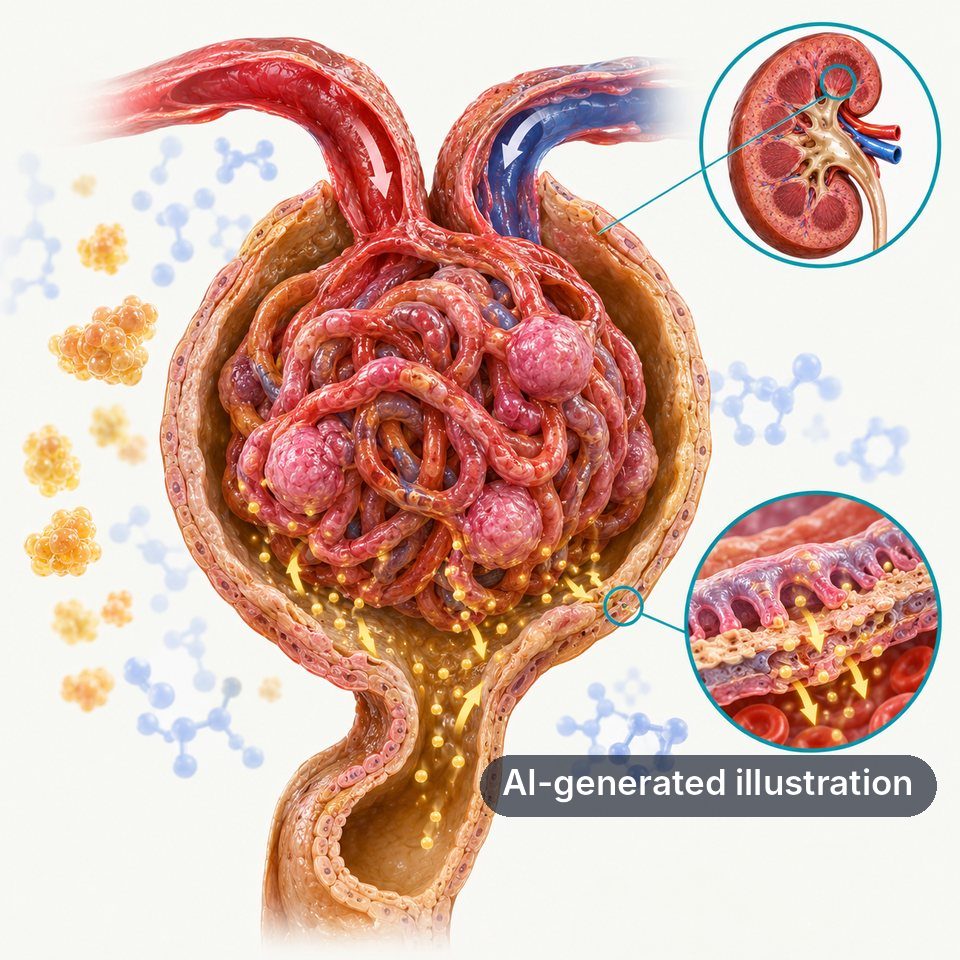
Illustration: Diabetic kidney disease

Diabetic kidney disease

Diabetes is one of the most common causes of kidney disease. Early kidney damage often shows up first as protein in the urine, well before any symptoms appear.

Detecting it early allows blood sugar, blood pressure and kidney-protective medicines to be adjusted to help slow further damage.

At the hospital: Regular urine and blood screening for people with diabetes, and coordinated care with the treating physician.

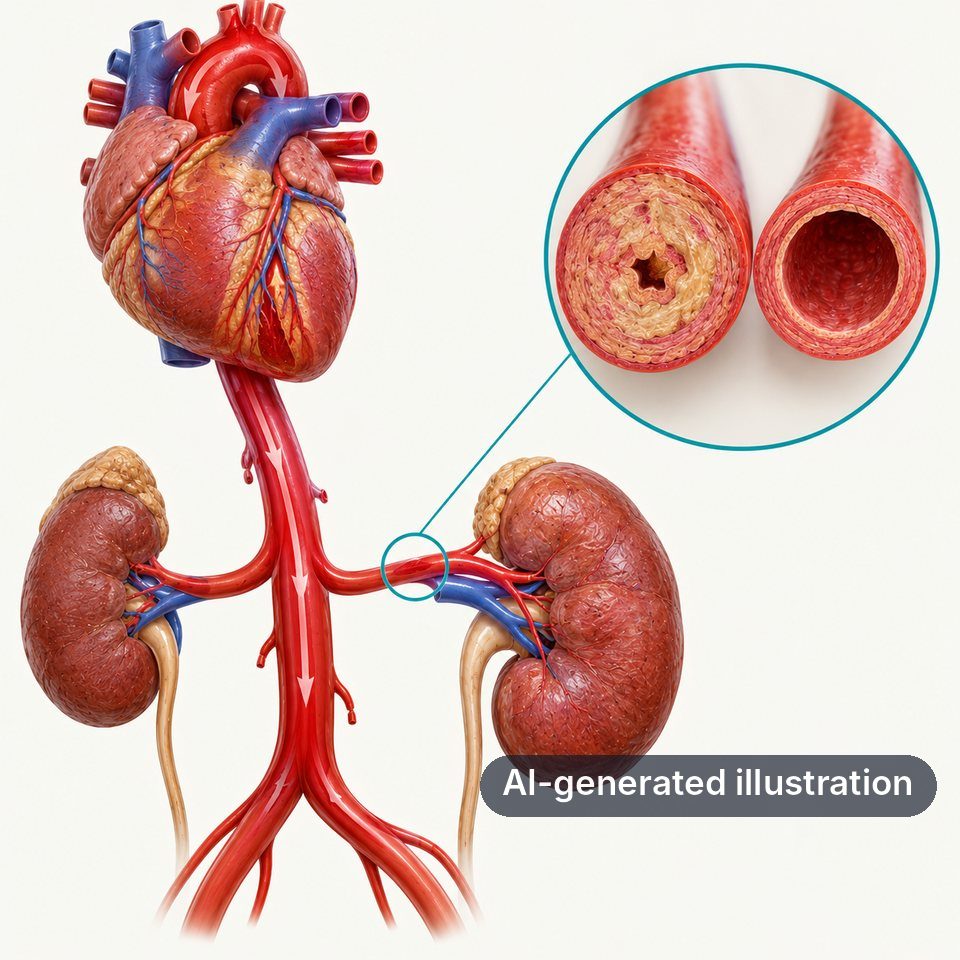
Illustration: Hypertension and the kidney

Hypertension and the kidney

High blood pressure can damage the kidneys over time, and kidney disease can in turn push blood pressure higher. Controlling one helps protect the other.

When blood pressure starts at a young age or stays high despite several medicines, a kidney-related (secondary) cause may need to be looked for.

At the hospital: Evaluation for kidney-related causes of hypertension and long-term blood pressure management.

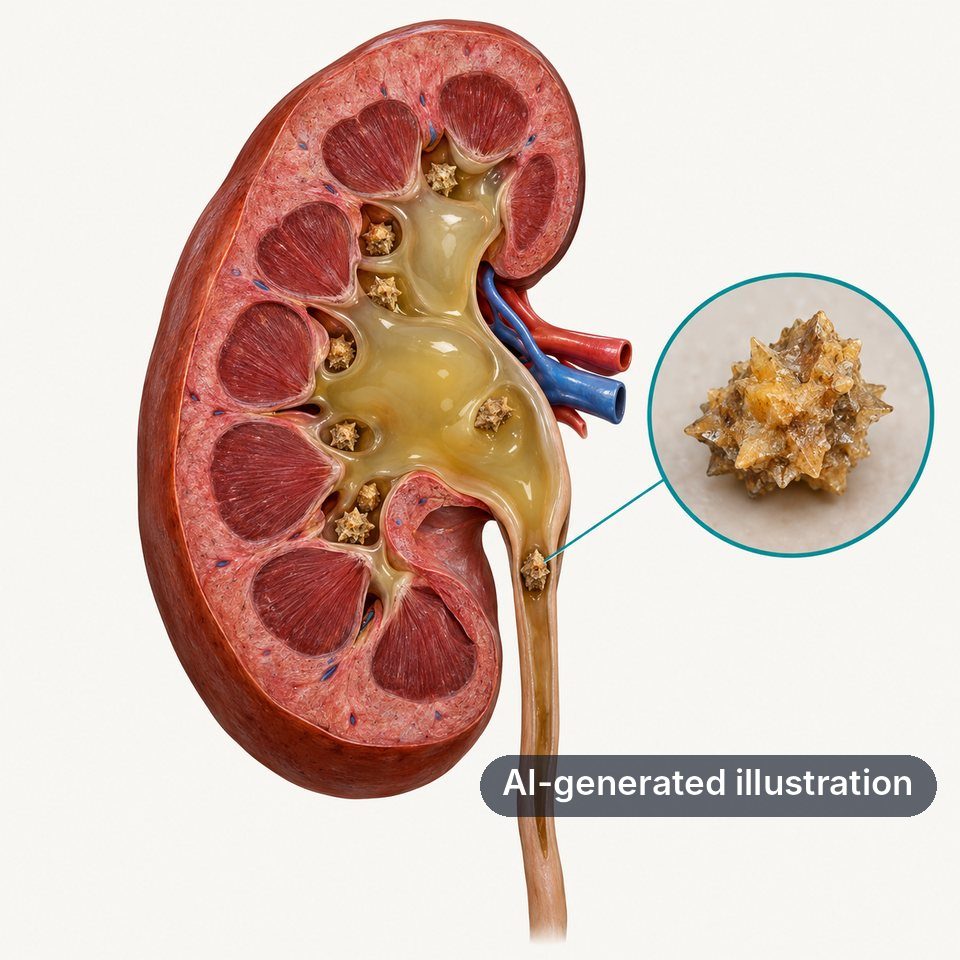
Illustration: Kidney stones

Kidney stones

Kidney stones can cause severe pain, blood in the urine or infection. Some pass on their own; others need a procedure to remove them.

Beyond treating the current stone, it helps to find out why stones are forming, so that diet, fluids or medicines can reduce the chance of new ones.

At the hospital: Assessment of stone size, position and cause, with coordinated urological care when a procedure is needed.

Illustration: Kidney biopsy and interventional nephrology

Kidney biopsy and interventional nephrology

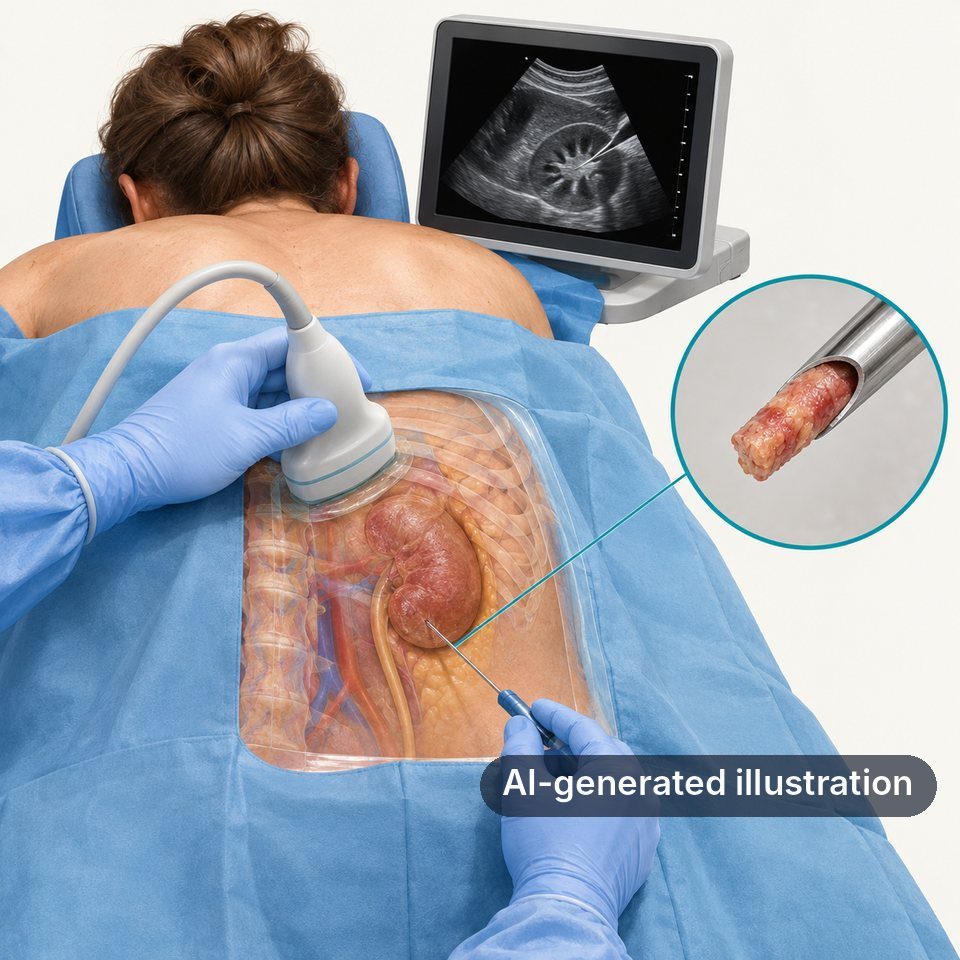
A kidney biopsy takes a small sample of kidney tissue to find the exact cause of certain kidney diseases, such as unexplained protein or blood in the urine, or a sudden fall in kidney function. The result guides treatment.

Interventional nephrology covers procedures that nephrologists perform themselves, including those related to dialysis and endovascular work.

At the hospital: Diagnostic kidney biopsy, with the on-site cathlab and operation theatre supporting interventional and endovascular procedures.

When to see a nephrologist

Consider a kidney consultation if you notice any of the following, or if your doctor has referred you.

  • Swelling of the feet, ankles or face
  • Foamy urine, or blood in the urine
  • Passing much less urine than usual
  • A raised creatinine or abnormal urine test on a report
  • Diabetes or high blood pressure for several years
  • Blood pressure that stays high despite medicines
  • Repeated kidney stones or urinary infections
  • A family history of kidney disease

In an emergency, such as severe breathlessness, very little or no urine, or confusion, go to the nearest emergency department straight away.

Book a consultation

Call the hospital to book an OPD appointment.

Call to book Directions